

Acatamiento
Affectionate Awe

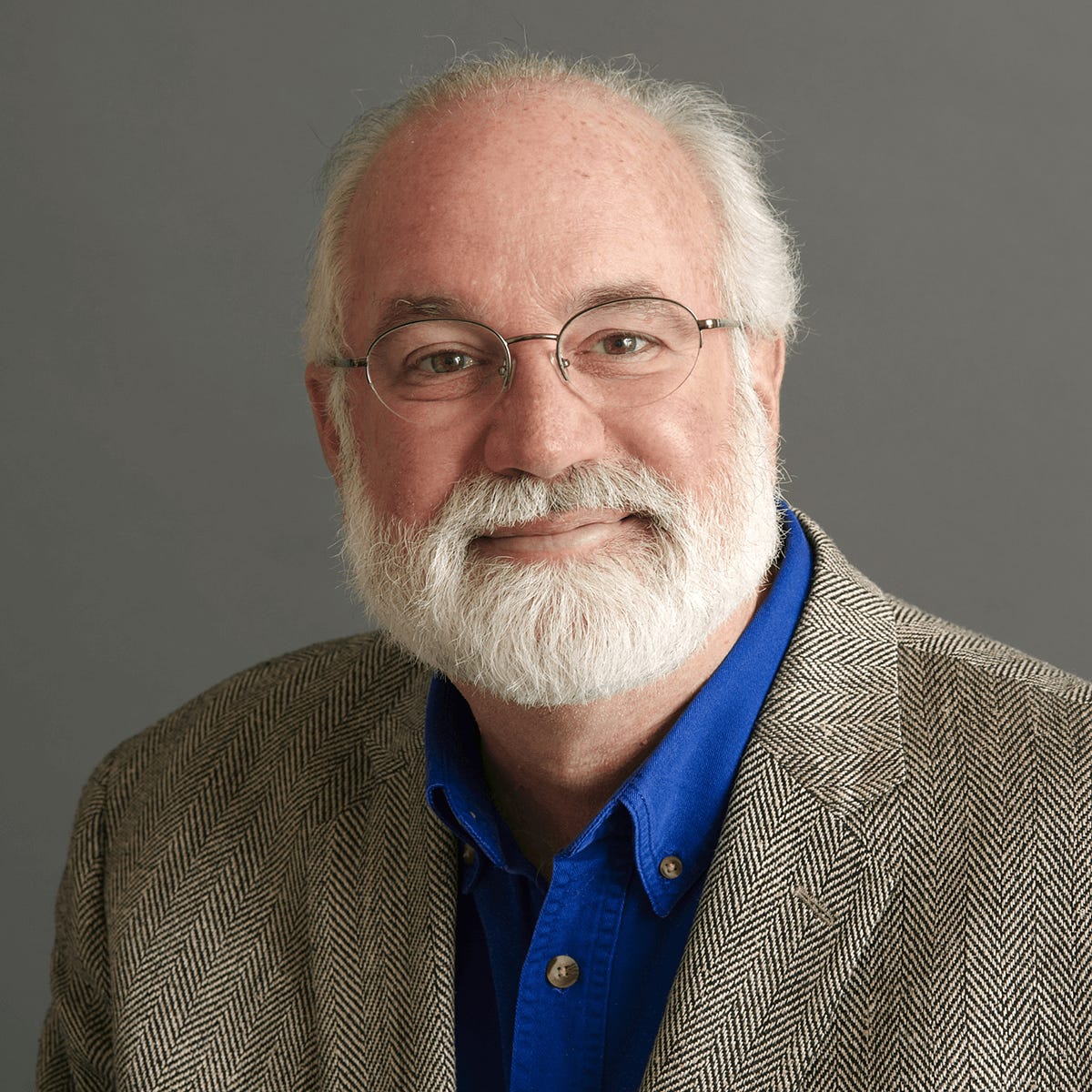
Jen and I were fortunate and grateful to be present for an event in Vancouver last night at which Father Gregory Boyle was speaking. Gregory Boyle is well known as the founder of Homeboy Industries in Los Angeles. This is a programme that describes its core work as gang rehabilitation and re-entry. Father Boyle demonstrates a faith that is hopeful and compassionate. I had read some of his writing before and was pleased that his speaking was as compelling (or even more so) than his writing.
The thread that held his talk last night together was a word that was the entirety of St. Ignatius of Loyola’s journal entry on February 27, 1544. Of course, this was noted as Boyle was speaking to us on February 27, 2025. 481 years later and we are finding a word for our time. That one word entry was “Acatamiento”. It means something like affectionate awe.
In Boyle’s writing, he identifies that the term, for Ignatius, related to a contemplation of the Trinity. He says that “For Ignatius, the Trinity was a notion to be imitated.” I think imitated, perhaps, more than understood. This imitation brought the affectionate awe, the beauty of true love and relationship.
In the context of his presentation, Boyle used the term in reference to how a room full of 600 social workers responded to the story of one of the ex-gang members who had become a part of Homeboy Industries. José was a 25-year-old who had suffered a great deal as a child. He had become a gang member and had been to prison. José was tattooed with gang symbols and had been homeless and addicted to heroin. Having connected with Homeboy, José proved skilled at helping others battling addiction. His talk to the 600 social workers in Richmond Virginia, began with, “I guess you could say my mom and me, we didn’t get along so good. I think I was 6 when my mom looked at me and said, ‘Why don’t you just kill yourself? You are such a burden to me.’”
The 600 professionals gathered audibly gasped and when they did, José said, “It sounds way worser in Spanish.” José went on to describe how his mom left him at an orphanage in Mexico telling the person who answered the door, “I found this kid.” José was rescued a few months later by his grandmother. He recalls being beaten virtually every day in his childhood. “Every day my back was bloody and scarred. In fact, I had to wear three t-shirts to school each day. The blood would seep through the first two shirts. The kids at school made fun of me. ‘It’s one hundred degrees! Why are you wearing three shirts?’” After saying this, José stopped speaking, overwhelmed with emotion. Gregory Boyle said that “He seemed to be staring at a piece of his story that only he could see. Regaining his speech he said through his tears, ‘I wore three t-shirts well into my adult years because I was ashamed of my wounds. I didn’t want anyone to see them. But now I welcome my wounds. I run my fingers over my scars. My wounds are my friends. After all, how can I help heal the wounded if I don’t welcome my own wounds?’”
Gregory Boyle commented, “And awe came upon everyone. Acatamiento. The measure of our compassion lies not in our service of those on the margins, but only in our willingness to see ourselves in kinship with them. For the truth of the matter is this, if we don’t welcome our own wounds, we may well be tempted to despise the wounded.”
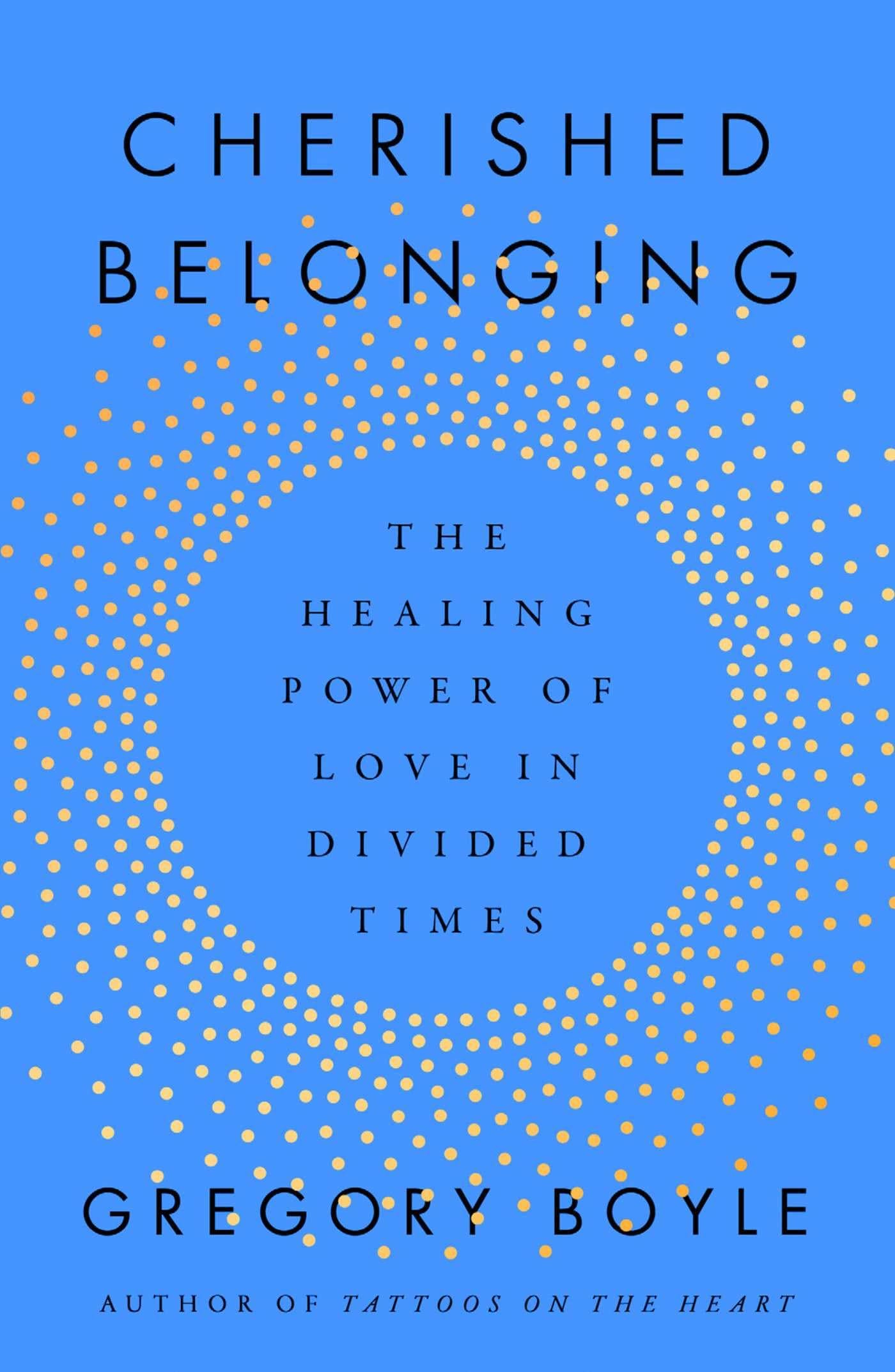
I had not heard the term “Acatamiento” before reading it in Gregory Boyle’s recent book Cherished Belonging. I love how, in connecting it to José’s story, Boyle reminds us about its transcendent nature - it has to do with attention to God AND its human expression - it is demonstrated in affectionate awe for one another, particularly for those who are so often maligned or judged as unworthy or evil or bad.
Here in Vancouver, I have no doubt seen people on the Downtown Eastside, wearing three t-shirts. The question might arise in me, “What is wrong with them?” Of course, as José’s story compels me to think, the better question is “What happened to you?”
The non-profit with which I work often highlights words of Jewish mystic Simone Weil about attention. She says, “Attention, taken to its highest degree, is the same thing as prayer. It presupposes faith and love.”
My quick judgments of others require little attention. I, like you, perhaps, can so easily know just what is wrong with other people and how they need to change.
If I pay attention I might come to experience heartbreak over the life of someone else. The attention might well turn to affectionate awe and to prayer. In that there is hope, hope strong enough to overcome even the distorted certainty of judgment and the polarization that so often keeps us apart.
True attention disarms judgment and opens the way to love.
Acatamiento.
Beautiful!